

Cultural Expectations and Gender Roles Shaping Women’s Experiences of Anxiety
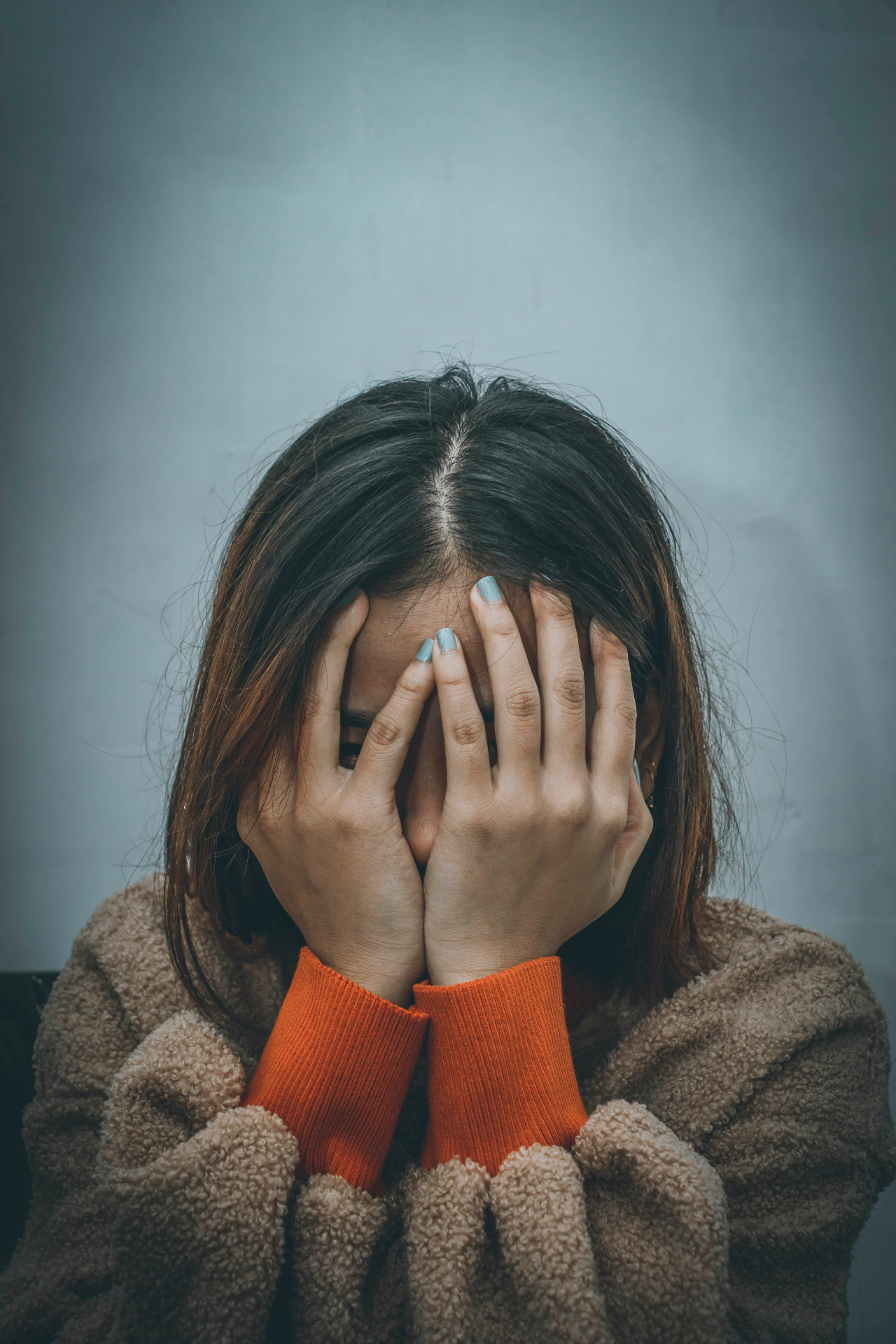
Women face numerous challenges in the medical field and in any given industry, as a matter of fact. There are still many mostly unknown truths, such as harassment during work, unequal opportunities between them and their male counterparts, unfair treatment, that all contribute to women’s anxiety. Additionally, cultural norms and expectations create pressure, leading to stress and exhaustion.
In 19th-century India, female physicians obtained medical degrees despite traditions and gender roles that barred women from pursuing careers. According to the NIH, women report higher psychological distress, symptoms of depression, and anxiety than men, largely due to pressure and conflict created by gender norms. Firstly, women are expected to care for their loved ones and be emotionally supportive. On top of all that, they’re expected to be understanding, while most of the time, people around her never understand what she’s going through. Be supportive, but can’t be supported. This creates stress, emotional exhaustion, and fear of not meeting societal standards.
The American Medical Association notes that female physicians are more likely to suffer from burnout, which closely coexists with anxiety. Approximately 54% of women experience burnout, compared to 42% of men. Causes of burnout include stress, taking on tasks without agreement, excessive work hours, and gender-based microaggressions from patients. Due to tasks like delivering training, writing articles, or teaching, some female physicians note fear of upsetting or disappointing someone.
The more a physician agrees to a grueling workload, the greater the chance of burnout.
Female healthcare workers’ suggestions are often dismissed in board meetings. Most female healthcare workers experience something called the “motherhood penalty,” which means that if they were on leave to take care of kids or family, they’d most likely have career setbacks, low pay, and other things that could be detrimental to their careers, which in turn creates stress and anxiety.
The gender pay gap is the disparity in earnings between men and women. Women tend to be paid less than men for the same work, if not more. As I mentioned in the last paragraph, being unable to work due to familial responsibilities and earning less creates financial insecurity, which leads to difficulty paying for housing/rent, childcare, groceries, etc., especially when there is only one income in the house due to a divorce, no education/degree to get a well-paying job, etc.
To reduce women’s experiences of anxiety, a solution could be to share and divide responsibilities at home. Cultural expectations say that caregiving and household duties are for women; that mindset should be changed. Implementing this simple change in households could drastically reduce women’s experiences of anxiety. They feel heard, loved, and supported when they know they’re not in this relationship alone. This reduces pressure, stress, and overall anxiety, as I mentioned previously.
If you or a woman you know is experiencing burnout and needs professional assistance, please call us at (919) 283-6083 or visit our website www.transfromcc10.com and click the Schedule Appointment button.